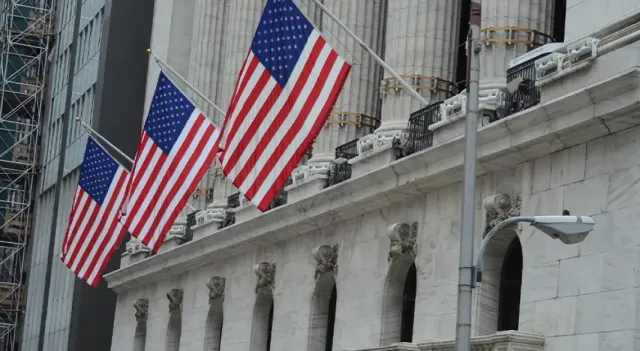
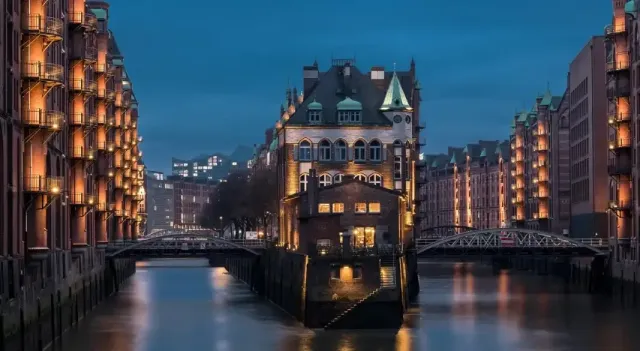
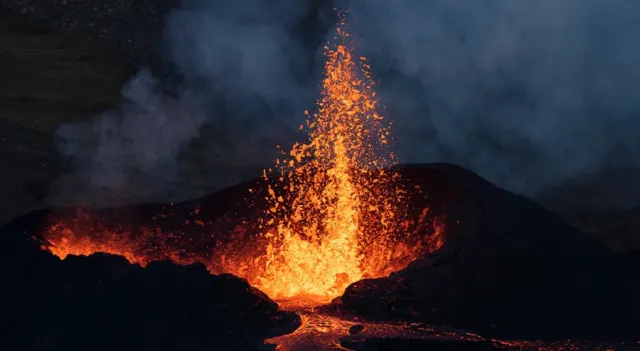
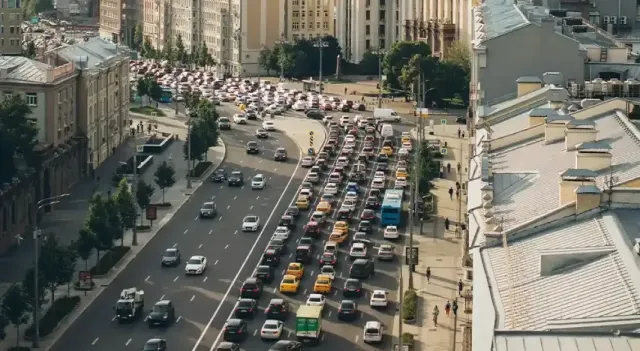
In an increasingly visual world, photography has evolved far beyond a hobby—it has become a powerful tool of connection, identity, and even resistance. From the alleyways of Marrakech to the streets of Tokyo, people around the globe are using photography to capture their realities, share their truths, and reimagine how we see the world. In 2025, the art of photography is no longer limited to professionals or those with expensive equipment. With powerful cameras embedded in nearly every smartphone and editing apps accessible to all, the global population has become a generation of storytellers. A New Language of Expression Photography has become the most universal visual language—transcending borders, politics, and even spoken words. A single image can spark movements, ignite conversations, and bring attention to marginalised voices. From the war-torn zones of Gaza and Ukraine to peaceful protests in Europe and climate marches in South America, everyday citizens are documenting history in real time. These raw, unfiltered images often make their way to global audiences faster than traditional news media. "The smartphone is the new pen," says French photojournalist Camille Laurent. "People don’t just take photos—they share their worldviews." The Rise of Visual Identity In cities like New York, Seoul, and Berlin, photography has become deeply intertwined with personal branding. On platforms like Instagram and Threads, visuals are the currency of influence. Whether it’s fashion, travel, activism, or mental health, photography is the lens through which individuals craft and project their identity. This has also sparked a global aesthetic—where minimalist cafes in Istanbul resemble those in Paris, and sunlit "golden hour" selfies are universal. Yet within this visual sameness, cultural uniqueness is also being celebrated. Photographers are reclaiming their heritage—using traditional attire, rural landscapes, and local rituals to tell stories that challenge stereotypes and global homogenisation. AI, Ethics & The Future As artificial intelligence blends with photography, questions of ethics and authenticity are surfacing. AI-generated portraits and edited realities raise concerns about truth, body image, and media manipulation. Yet, at the same time, AI tools are empowering more people to create stunning visuals without formal training—democratising creativity in ways never imagined. "We're entering an era where the line between photography and digital art is blurring," notes Japanese visual artist Rei Nakamura. "But the emotion behind the image still matters most." A Global Bond In refugee camps in Jordan, schoolchildren are given disposable cameras to capture their lives. In Scandinavian forests, nature photographers use drones to document wildlife. On African coastlines, photographers are preserving indigenous stories that were never written down. Despite the diversity of context, one thing is clear: photography connects humanity. It offers empathy. It builds bridges. In the words of American photographer Dorothea Lange, "Photography takes an instant out of time, altering life by holding it still." And today, more than ever, the world is watching—frame by frame.

In an increasingly visual world, photography has evolved far beyond a hobby—it has become a powerful tool of connection, identity, and even resistance. From the alleyways of Marrakech to the streets of Tokyo, people around the globe are using photography to capture their realities, share their truths, and reimagine how we see the world. In 2025, the art of photography is no longer limited to professionals or those with expensive equipment. With powerful cameras embedded in nearly every smartphone and editing apps accessible to all, the global population has become a generation of storytellers. A New Language of Expression Photography has become the most universal visual language—transcending borders, politics, and even spoken words. A single image can spark movements, ignite conversations, and bring attention to marginalised voices. From the war-torn zones of Gaza and Ukraine to peaceful protests in Europe and climate marches in South America, everyday citizens are documenting history in real time. These raw, unfiltered images often make their way to global audiences faster than traditional news media. "The smartphone is the new pen," says French photojournalist Camille Laurent. "People don’t just take photos—they share their worldviews." The Rise of Visual Identity In cities like New York, Seoul, and Berlin, photography has become deeply intertwined with personal branding. On platforms like Instagram and Threads, visuals are the currency of influence. Whether it’s fashion, travel, activism, or mental health, photography is the lens through which individuals craft and project their identity. This has also sparked a global aesthetic—where minimalist cafes in Istanbul resemble those in Paris, and sunlit "golden hour" selfies are universal. Yet within this visual sameness, cultural uniqueness is also being celebrated. Photographers are reclaiming their heritage—using traditional attire, rural landscapes, and local rituals to tell stories that challenge stereotypes and global homogenisation. AI, Ethics & The Future As artificial intelligence blends with photography, questions of ethics and authenticity are surfacing. AI-generated portraits and edited realities raise concerns about truth, body image, and media manipulation. Yet, at the same time, AI tools are empowering more people to create stunning visuals without formal training—democratising creativity in ways never imagined. "We're entering an era where the line between photography and digital art is blurring," notes Japanese visual artist Rei Nakamura. "But the emotion behind the image still matters most." A Global Bond In refugee camps in Jordan, schoolchildren are given disposable cameras to capture their lives. In Scandinavian forests, nature photographers use drones to document wildlife. On African coastlines, photographers are preserving indigenous stories that were never written down. Despite the diversity of context, one thing is clear: photography connects humanity. It offers empathy. It builds bridges. In the words of American photographer Dorothea Lange, "Photography takes an instant out of time, altering life by holding it still." And today, more than ever, the world is watching—frame by frame.

In an increasingly visual world, photography has evolved far beyond a hobby—it has become a powerful tool of connection, identity, and even resistance. From the alleyways of Marrakech to the streets of Tokyo, people around the globe are using photography to capture their realities, share their truths, and reimagine how we see the world. In 2025, the art of photography is no longer limited to professionals or those with expensive equipment. With powerful cameras embedded in nearly every smartphone and editing apps accessible to all, the global population has become a generation of storytellers. A New Language of Expression Photography has become the most universal visual language—transcending borders, politics, and even spoken words. A single image can spark movements, ignite conversations, and bring attention to marginalized voices. From the war-torn zones of Gaza and Ukraine to peaceful protests in Europe and climate marches in South America, everyday citizens are documenting history in real time. These raw, unfiltered images often make their way to global audiences faster than traditional news media. "The smartphone is the new pen," says French photojournalist Camille Laurent. "People don’t just take photos—they share their worldviews." The Rise of Visual Identity In cities like New York, Seoul, and Berlin, photography has become deeply intertwined with personal branding. On platforms like Instagram and Threads, visuals are the currency of influence. Whether it’s fashion, travel, activism, or mental health, photography is the lens through which individuals craft and project their identity. This has also sparked a global aesthetic—where minimalist cafes in Istanbul resemble those in Paris, and sunlit "golden hour" selfies are universal. Yet within this visual sameness, cultural uniqueness is also being celebrated. Photographers are reclaiming their heritage—using traditional attire, rural landscapes, and local rituals to tell stories that challenge stereotypes and global homogenization. AI, Ethics & The Future As artificial intelligence blends with photography, questions of ethics and authenticity are surfacing. AI-generated portraits and edited realities raise concerns about truth, body image, and media manipulation. Yet, at the same time, AI tools are empowering more people to create stunning visuals without formal training—democratizing creativity in ways never imagined. "We’re entering an era where the line between photography and digital art is blurring," notes Japanese visual artist Rei Nakamura. "But the emotion behind the image still matters most." A Global Bond In refugee camps in Jordan, schoolchildren are given disposable cameras to capture their lives. In Scandinavian forests, nature photographers use drones to document wildlife. On African coastlines, photographers are preserving indigenous stories that were never written down. Despite the diversity of context, one thing is clear: photography connects humanity. It offers empathy. It builds bridges. In the words of American photographer Dorothea Lange, "Photography takes an instant out of time, altering life by holding it still." And today, more than ever, the world is watching—frame by frame.

In the heart of Bangladesh’s fast-paced capital, a quiet revolution is taking place. Young professionals and millennials in Dhaka are increasingly embracing the global ‘slow living’ movement—choosing mindfulness, minimalism, and quality time over consumerism and constant hustle. From cozy book cafés in Dhanmondi to weekend pottery classes in Banani, urban dwellers are creating intentional pauses in their busy routines. This shift, many say, is about regaining control over their time and well-being. "I used to feel guilty for not being productive 24/7," says Rifa Mahmud, a 29-year-old graphic designer. "But now I’ve realized that slowing down helps me think clearer and live better." The slow living trend, popularized in the West through movements like hygge in Denmark or lagom in Sweden, has taken on a unique Bangladeshi twist. Locals are reviving traditional leisure activities—such as rooftop gardening, handcrafts, and reading Bangla literature—as part of this lifestyle shift. Retailers and cafés are also adapting. Businesses like The Lotus Lounge in Gulshan offer "no WiFi" zones to encourage conversation and relaxation. Homegrown brands are launching minimalist, eco-conscious clothing lines and locally made wellness products. Mental health experts applaud the trend, noting that Dhaka’s intense work culture and traffic stress contribute to burnout. "Slow living offers a necessary mental detox," says Dr. Tanjina Rahman, a clinical psychologist. "It’s not laziness—it’s survival with intention." Even social media is feeling the change. Influencers are switching gears from promoting luxury lifestyles to sharing moments of stillness, journaling, or slow food recipes. What’s Next? With growing awareness, the slow living movement is expected to grow, especially among the educated middle class. While challenges remain—such as the culture of overtime and digital overload—many believe this new mindset is here to stay. "Slowing down doesn’t mean giving up," says Rifa. "It means living with meaning."

In 2025, lifestyle is less about luxury and more about balance — between screens and silence, speed and stillness, consumption and sustainability. Around the globe, people are rethinking how they live, work, dress, and even breathe. Here are the top lifestyle trends and shifts redefining daily life today: 🧠 1. Digital Detoxing Is the New Luxury With burnout on the rise, more people are choosing "dopamine detox days" — 24-hour breaks from screens, social media, and even smart devices. Wellness resorts from Bali to Barcelona now offer “digital silence zones,” where phones are locked away, and mindfulness is practiced in its purest form. 📝 Fun Fact: A recent global survey shows that 58% of Gen Z are limiting screen time to under 4 hours on weekends. 🌱 2. Eco-Minimalism Replaces Fast Fashion Fashion is going slow — and sustainable. In 2025, more people are buying fewer but higher-quality clothes. Local brands, upcycled fabrics, and even digital fashion (yes, for your avatar) are in high demand. Capsule wardrobes are trendy again — think fewer than 30 pieces per season. ♻️ Spotlight Brand: “ThreadAgain,” a Bangladeshi startup, is gaining global attention for turning old saris into stunning modern wear. 🏡 3. Work-Life Spaces Go Hybrid The work-from-home model has evolved. Now, most homes feature zoned living: areas optimized for productivity, relaxation, or socialization. Smart lighting, standing desks, noise-canceling panels, and nature-inspired interior design are becoming essentials — not extras. 🪴 Top Tip: Adding even one indoor plant to your workspace can reduce stress levels by up to 40%, studies say. 🍲 4. ‘Food as Medicine’ Gets Mainstream Wellness is now being served on the plate. From gut-friendly fermented foods to brain-boosting herbs like ashwagandha and lion’s mane, diets are more intentional than ever. In cities like Dhaka, Dubai, and Singapore, "functional cafés" are popping up — where turmeric lattes and collagen smoothies are daily staples. 🍋 Try This: Warm lemon water with chia seeds every morning — it’s a 2025 favorite for digestion and hydration. 🌍 5. Living Local, Thinking Global Whether it’s shopping from neighborhood farmers' markets, joining local book clubs, or volunteering weekly, people are reclaiming community. But thanks to global connectivity, they’re also learning yoga from India, cooking Korean dishes, and sharing stories with strangers in seconds. 🤝 Quote of the Week: “The future of lifestyle is both inward and outward — calm within, connected beyond.” — Aditi Rahman, lifestyle psychologist. ✨ Final Thought The way we live today isn’t just about trends — it’s about intention. Lifestyle in 2025 is a conscious choice to slow down, simplify, and seek meaning in the everyday. Whether you’re starting small with a 10-minute morning routine or switching to organic groceries, remember — change starts at home. What’s one lifestyle habit you’ve changed this year? Drop a comment below — or share this article with a friend who needs a little life refresh.

In the pursuit of knowledge, studying becomes a transformative experience. It stretches our minds, pushing the boundaries of our understanding. It invites us to explore new disciplines, to embrace unfamiliar perspectives, and to challenge preconceived notions. With each subject we delve into, we gain a broader worldview, a deeper empathy for others, and a heightened sense of curiosity. Studying is not always an easy path. It requires discipline, perseverance, and dedication. There are moments of frustration, when concepts seem elusive, and information feels overwhelming. But it is through these challenges that we grow, developing resilience and the ability to overcome obstacles. The struggles we face in our studies shape us into more resilient individuals, equipping us with the tools to tackle future endeavors. Yet, studying is not solely an individual pursuit. It is a collaborative endeavor, where ideas are shared, debates are sparked, and collective knowledge is built. Engaging in group discussions, collaborating on projects, and seeking guidance from mentors and peers enhance our learning experience. Together, we forge connections, cultivate diverse perspectives, and foster a community of lifelong learners. Studying also kindles the flame of curiosity within us. It instills a hunger for discovery, for unraveling the mysteries of the universe. It ignites a desire to explore, to seek answers to the questions that pique our interest. Through studying, we embark on a continuous journey of growth, for there is always more to learn, to question, and to understand.

Supporters of BNP leader Ishraque Hossain continued their sit-in for the fifth consecutive day today, demanding his swift swearing-in as the mayor of Dhaka South City Corporation (DSCC).
The U.S. Supreme Court issued a landmark ruling on Monday, declaring that former presidents are entitled to partial immunity from criminal prosecution for actions taken while in office. The 6-3 decision, split along ideological lines, has triggered intense political and legal debate across the country.The ruling stems from charges brought against former President Donald Trump, who has faced multiple indictments related to alleged interference in the 2020 presidential election and events surrounding the January 6 Capitol riot. The Court’s decision now makes it more difficult for prosecutors to pursue charges for actions deemed as part of a president's official duties. Divided Reactions President Joe Biden responded to the ruling by calling it a “dangerous precedent” that could place future presidents above the law. “No one in America should be beyond accountability,” he said during a press conference.Republican leaders, however, welcomed the decision. House Speaker Steve Scalise stated, “This ruling upholds the constitutional separation of powers and protects the office of the presidency from political attacks.”The recent Supreme Court ruling on presidential immunity has ignited intense debate across the United States, with sharp divisions emerging among legal experts, lawmakers, and the public. The decision, which sets new boundaries on the legal protections afforded to sitting presidents, has far-reaching implications for the balance of power and accountability in government. Supporters argue that the ruling upholds the integrity of the executive office by protecting it from politically motivated prosecutions, while critics warn that it could open the door to unchecked presidential authority. What the Ruling Means The Court ruled that while presidents do not have absolute immunity, they are shielded from criminal prosecution for actions that are “within the outer perimeter of official presidential responsibilities.” However, personal or unofficial actions remain subject to prosecution.Legal experts say the ruling could delay several of Trump’s ongoing legal cases, potentially impacting the 2024 election season, where Trump remains the leading Republican contender. As protests, press conferences, and panel discussions erupt nationwide, the ruling is expected to influence upcoming elections and reshape the legal landscape surrounding executive power for years to come. Public Response The recent Supreme Court ruling on presidential immunity has ignited intense debate across the United States, with sharp divisions emerging among legal experts, lawmakers, and the public. The decision, which sets new boundaries on the legal protections afforded to sitting presidents, has far-reaching implications for the balance of power and accountability in government. Supporters argue that the ruling upholds the integrity of the executive office by protecting it from politically motivated prosecutions, while critics warn that it could open the door to unchecked presidential authority. As protests, press conferences, and panel discussions erupt nationwide, the ruling is expected to influence upcoming elections and reshape the legal landscape surrounding executive power for years to come.
Iran and Israel traded further air attacks on Thursday as President Donald Trump kept the world guessing about whether the United States would join Israel's bombardment of Iranian nuclear facilities. Google News LinkFor all latest news, follow The Daily Star's Google News channel. A week of Israeli air and missile strikes against its major rival has wiped out the top echelon of Iran's military command, damaged its nuclear capabilities and killed hundreds of people, while Iranian retaliatory strikes have killed two dozen civilians in Israel. Iran and Israel traded further air attacks on Thursday as President Donald Trump kept the world guessing about whether the United States would join Israel's bombardment of Iranian nuclear facilities. Guardian council warns US of 'harsh response A key Iranian body warned the United States on Thursday that any intervention in support of its ally Israel would be met with a "harsh response". "The criminal American government and its stupid president must know for sure that if they make a mistake and take action against Islamic Iran, they will face a harsh response from the Islamic Republic of Iran," the Guardian Council said in a statement carried by state television. Google News LinkFor all latest news, follow The Daily Star's Google News channel. A week of Israeli air and missile strikes against its major rival has wiped out the top echelon of Iran's military command, damaged its nuclear capabilities and killed hundreds of people, while Iranian retaliatory strikes have killed two dozen civilians in Israel. Guardian council warns US of 'harsh response' if it intervenes. A key Iranian body warned the United States on Thursday that any intervention in support of its ally Israel would be met with a "harsh response". "The criminal American government and its stupid president must know for sure that if they make a mistake and take action against Islamic Iran, they will face a harsh response from the Islamic Republic of Iran," the Guardian Council said in a statement carried by state television.
Football’s rulemakers are pushing for sweeping change ahead of the 2026 FIFA World Cup, redefining how penalties and VAR decisions are adjudicated in high-stakes matches. The centerpiece proposal: abolish penalty rebounds. Under the new rule, once a penalty kick is taken—regardless of outcome—play would end immediately. Any rebound off the keeper or post ends in a goal kick awarded to the defensive team. Proponents say this mirrors shoot-out clarity, resolves VAR encroachment retakes, and reduces contentious second-chance controversy. Talk Sport Channel In a startling revelation, the CEO of a prominent "rent-a-crowd" agency has lifted the lid on the booming U.S. protest industry, exposing how political movements, corporate interests, and influencers routinely pay to stage large-scale demonstrations. Speaking anonymously, the executive detailed how thousands of actors and extras are hired to pose as passionate activists, boosting media coverage and swaying public opinion. From climate rallies to anti-corporate marches, these manufactured protests are meticulously choreographed, with participants receiving scripts, signs, and hourly pay. The disclosure raises serious ethical questions about authenticity in civic movements and the manipulation of democratic discourse. Simultaneously, VAR’s purview may expand significantly: future iterations would allow reviews of second yellow cards and corner-kick decisions, expanding beyond current limits that restrict it to straight red incidents. These changes aim to improve fairness but raise concerns over game flow and the human dynamic on the pitch. Talksport critics, including talkSPORT pundit Alan Brazil, labeled the proposals “a load of tosh,” arguing such regulation shifts remove nuance and over-engineer natural gameplay. Another theoretical change under consideration—Arsène Wenger’s “daylight offside rule”—would require attackers to be fully separated from defenders to be ruled onside, increasing objectivity but potentially changing traditional offside dynamics. Talksport These reforms also address double-touch penalties, stipulating retakes rather than awarding goals where infringement occurs, such as the incident with Julian Álvarez in last season’s Champions League. All measures are subject to ratification by February 2026 to take effect during the World Cup. Talksport. Should these rule changes pass, they would redefine football officiating—from grassroots leagues adopting new penalty protocols to elite matches experiencing altered stoppage patterns and VAR triggers.The potential implications are vast: strategic behavior, coach tactics during penalty sequences, and player conduct under intensified replay scrutiny could all shift. With the World Cup on the horizon, football’s global governing body may soon pivot action from debate to implementation.
As soon as he hears the news of someone's death, he rushes to the graveyard on horseback with his required tools. Like a special companion on the final journey of a person, the 67-year-old extends his sincere hands. In a heartbreaking twist of fate, the faithful companion of gravedigger Manu Mia was killed yesterday, while Manu himself remains hospitalised, battling for his life. The 65-year-old Manu Mia, a familiar figure in the community for over four decades, has long been known for his humble service digging graves and transporting bodies in his modest wooden cart, drawn by his beloved horse, Shonar Pakhi. Residents say the bond between Manu and the gentle brown mare was unlike any they had seen—a relationship forged through hardship, routine, and deep affection. Manu was admitted to the hospital last week following complications from a respiratory illness. “He kept asking about the horse even from the hospital bed,” said his nephew, Rafique Mia. “He didn’t want her left alone.” Tragedy struck yesterday morning when Shonar Pakhi was struck and fatally injured by a speeding motorbike near the village graveyard. Witnesses said the horse had broken loose from her makeshift rope tether and was calmly walking toward the graveyard entrance, perhaps out of instinct. “She was not just a horse; she was family,” said Rahima Begum, a long-time neighbour. “That animal had pulled hundreds of funeral carts, always steady, always calm. To see her die like this, without her owner even knowing yet—it’s just too much.” The rider of the motorbike fled the scene, and police say they are investigating the hit-and-run incident. So far, no arrests have been made. News of the horse’s death has not yet been shared with Manu, who remains in critical but stable condition. Family members are struggling with how to break the devastating news. Locals have expressed shock and sorrow, with many calling for better enforcement of road safety rules in the area. A small vigil was held near the graveyard last night, where residents lit candles and shared memories of the old gravedigger and his loyal horse. “Manu Mia’s work was never glamorous, but he did it with dignity,” said Abdul Karim, a community elder. “Now, while he fights for his life, he has lost the only creature who stood by him through every sorrowful journey. It’s a tragic chapter in a quiet man’s life.”