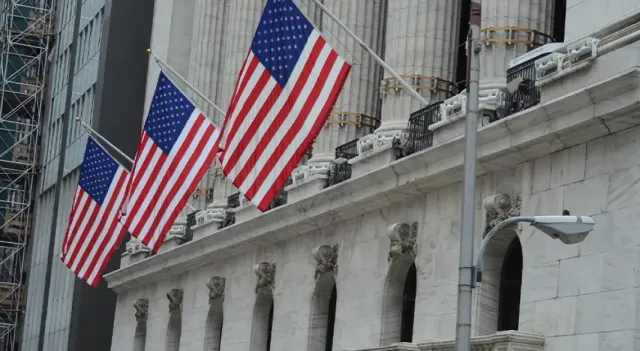
Global stock markets remained mixed today as investors weighed fresh U.S. inflation data, corporate earnings reports, and the ongoing economic uncertainty in China and Europe. The U.S. stock market opened slightly higher on Monday morning, with the Dow Jones Industrial Average rising 0.4%, the S&P 500 climbing 0.3%, and the Nasdaq Composite gaining 0.5% in early trading. Investors responded positively to June's U.S. Consumer Price Index (CPI) report, which showed inflation cooling slightly to an annual rate of 3.0%, down from 3.3% in May."Markets are optimistic that the Federal Reserve may pause or even cut interest rates by the fall," said Lisa Raymond, chief analyst at Morgan & Co. "But it's still a wait-and-see situation, especially with more earnings coming this week." Wall Street Opens Higher Dow +0.4%, S&P 500 +0.3%, Nasdaq +0.5% on Monday morning. Boosted by June CPI showing inflation cooled to 3.0% (down from 3.3%). Hopes rise for potential Fed rate cut or pause by fall. The U.S. stock market opened slightly higher on Monday morning, with the Dow Jones Industrial Average rising 0.4%, the S&P 500 climbing 0.3%, and the Nasdaq Composite gaining 0.5% in early trading. Investors responded positively to June's U.S. Consumer Price Index (CPI) report, which showed inflation cooling slightly to an annual rate of 3.0%, down from 3.3% in May. "Markets are optimistic that the Federal Reserve may pause or even cut interest rates by the fall," said Lisa Raymond, chief analyst at Morgan & Co. "But it's still a wait-and-see situation, especially with more earnings coming this week." Tech Leads the Way Technology stocks led the gains in the U.S., with Apple (AAPL) up 1.8% and Nvidia (NVDA) jumping 2.4%, as demand for AI and semiconductors remains strong. Tesla (TSLA) also rebounded, rising 3.1% after announcing better-than-expected Q2 vehicle deliveries. Global stock markets showed a mixed performance as investors weighed persistent inflation concerns against a wave of corporate earnings reports. While strong results from major tech companies helped lift some indexes, uncertainty surrounding central bank policies and the future path of interest rates kept others in check. In the U.S., Europe Struggles on Growth Concerns Meanwhile, European markets showed little movement, with the FTSE 100 in London flat and Germany’s DAX down 0.2%. Investors remain concerned about weak industrial output and rising energy costs across the Eurozone.“The European economy is showing signs of fatigue,” said Carla Dupont, economist at BNP Paribas. “High borrowing costs and geopolitical tensions are dragging down business activity.”Global stock markets showed a mixed performance as investors weighed persistent inflation concerns against a wave of corporate earnings reports. While strong results from major tech companies helped lift some indexes, uncertainty surrounding central bank policies and the future path of interest rates kept others in check. In the U.S., Market Performance Summary Table Region Index/Company Movement (%) Key Driver USA Dow Jones +0.4% Positive CPI report (3.0% inflation) S&P 500 +0.3% Rate cut optimism Nasdaq +0.5% Tech stock gains Apple (AAPL) +1.8% Strong AI demand Nvidia (NVDA) +2.4% Semiconductor growth Tesla (TSLA) +3.1% Strong Q2 deliveries Europe FTSE 100 (UK) 0.0% Flat due to economic uncertainty DAX (Germany) -0.2% Weak industrial output, high energy costs Asia Nikkei 225 (Japan) +0.6% Strong export performance Shanghai Composite -1.2% Property sector risks, low consumer spending Asia Mixed as Chinese Markets Slump In Asia, markets showed mixed results. Japan’s Nikkei 225 gained 0.6%, supported by strong export data. However, Chinese markets fell sharply, with the Shanghai Composite down 1.2%, as fears about the country’s property sector and sluggish consumer spending persisted. Gains in consumer and tech sectors pushed markets higher, but weaker-than-expected bank earnings and inflation-related jitters limited broader momentum. European markets edged lower as traders grew cautious about global trade tensions and slowing growth indicators, while Asian markets saw mixed results, with Hong Kong posting modest gains and Tokyo slipping slightly. Overall, market sentiment remains cautious as investors await further economic data and guidance from central banks. Looking Ahead Investors are now turning their focus to key corporate earnings this week from major banks like JPMorgan Chase, Goldman Sachs, and Citigroup, as well as tech giants like Netflix and Microsoft. The results are expected to provide a clearer picture of business resilience amid high interest rates and uncertain global demand. Overall, market sentiment remains cautious as investors await further economic data and guidance from central banks.

After a turbulent few years marked by high volatility, regulatory crackdowns, and the collapse of several major platforms, the cryptocurrency market is showing signs of a strong rebound in mid-2025.Bitcoin has reclaimed stability above $65,000, while Ethereum is trading confidently near $4,200, signaling renewed investor confidence and growing mainstream adoption.What’s driving the comeback? Experts point to three key factors: institutional investment, regulatory clarity, and technological innovation. Institutional Money Is Back Major financial institutions—including BlackRock, JPMorgan, and Fidelity—have re-entered the market with renewed strategies. This time, they’re focusing on tokenized assets, blockchain-backed bonds, and Bitcoin ETFs that are now officially regulated in the U.S., Europe, and parts of Asia."The noise is gone, and the infrastructure is maturing," says Elena Park, a blockchain analyst at MorganTech Research. "Institutional players are treating crypto not as a gamble, but as a long-term asset class."Even central banks are exploring digital assets. Countries like Singapore, UAE, and Brazil have launched CBDCs (Central Bank Digital Currencies), integrating blockchain into national payment systems. Regulatory Frameworks Bring Stability 2025 has seen clearer legal frameworks emerge, especially in the U.S., EU, and Southeast Asia. This regulatory clarity is reducing investor uncertainty and allowing new products—such as crypto-based retirement funds, lending platforms, and tokenized commodities—to enter the market with legal backing.The Crypto Market Stability Act (CMSA) in the U.S. has also introduced mandatory reserves for stablecoins, stricter KYC/AML protocols for exchanges, and real-time audit requirements."Regulation doesn’t kill crypto—it protects it," notes Dr. Omar Hussein, a digital finance professor in London. "Now, institutional and retail investors can participate with more confidence." Layer 2 and Utility Coins Gain Momentum While Bitcoin and Ethereum dominate headlines, smaller utility tokens and Layer 2 solutions are making waves. Networks like Arbitrum, Optimism, and Solana have significantly improved transaction speeds and lowered gas fees, making DeFi and NFTs more accessible.Meanwhile, real-world utility tokens tied to carbon credits, music royalties, and real estate assets are finding niche but growing markets. Cautious Optimism Remains Despite the rebound, the crypto market isn’t without risks. Geopolitical tensions, cyberattacks, and sudden market corrections remain constant threats. Investors are still haunted by memories of the 2022–2023 crashes and the FTX and Celsius collapses. As a result, risk management and education have become major themes in crypto investment. Exchanges now offer built-in insurance, and educational tools are more robust than ever. Looking Ahead: The Next Wave With blockchain integration into everyday finance, from cross-border payments to gaming economies, crypto is evolving beyond speculation. Many believe the next phase will be utility-first, focusing less on price speculation and more on what blockchain technology can do. "This is no longer a gold rush—it’s a tech revolution," says Elena Park. "And this time, the world is watching with sharper eyes and smarter wallets."

Retail is no longer just about selling products—it’s about creating seamless, intelligent, and connected shopping experiences. From boutique stores in Paris to roadside stalls in Nairobi, businesses are upgrading to smart Point-of-Sale (POS) systems to stay competitive, efficient, and customer-focused. Once just a cash register, the POS system has evolved into a powerful business engine—offering everything from inventory tracking and digital payments to customer relationship management and real-time analytics. "POS systems today are more than tools—they’re business partners," says Jenna Raines, a retail technology consultant in San Francisco. "They help shop owners make better decisions, reduce loss, and scale with confidence." Retail Gets a Digital Brain Modern cloud-based POS platforms like Square, Shopify POS, Lightspeed, and Toast are turning small retail stores, restaurants, and service providers into tech-savvy businesses. These systems now allow for: Real-time inventory tracking Multi-location sales syncing Digital invoicing & receipts Customer loyalty programs Sales trend forecasting QR-based and contactless payments Even micro-businesses, such as food trucks or mobile vendors, are using portable POS devices with mobile data connectivity to track sales and accept digital payments on the go. Smarter Customers, Smarter Shops Today’s customer expects speed, personalisation, and convenience. POS systems now store customer preferences, purchase history, and offer loyalty rewards automatically—creating a more personalised shopping journey. "A good POS helps us know our customers better," says Niko Choi, owner of a lifestyle store in Seoul. "It tells us what’s selling, who’s buying, and what they’ll likely want next." Bridging Offline and Online With the global boom in omnichannel retail, businesses are using POS systems to integrate in-store sales with their e-commerce platforms. Whether customers buy online, pick up in-store, or return an item at a different location, the system syncs all data in one place. This unified experience is key to building trust, especially in competitive markets like fashion, electronics, and speciality foods. Data-Driven Decision-Making In 2025, running a shop without data is like sailing without a compass. POS analytics now help business owners track best-selling products, slow-moving stock, profit margins, and peak shopping hours—all visualised in clean dashboards. "I used to guess how much stock to reorder," says Maria Fernandez, a shop owner in Buenos Aires. "Now, my POS tells me exactly when and how much to restock." Security, Scalability, and Speed Modern POS systems come with robust data protection, employee access controls, and cloud backups. They also scale easily—from one stall to multiple branches—without needing to overhaul infrastructure. Thanks to mobile compatibility and offline syncing, business doesn't stop even when the internet drops. The Future of POS: AI, Automation, and Voice The next generation of POS systems will include AI-powered suggestions, automated inventory reordering, and even voice-activated checkout. Some are testing facial recognition for loyalty identification and augmented reality displays for product demos. As businesses adopt these technologies, customer experience is set to become faster, smarter, and more immersive. The point of sale is no longer just the end of the customer journey—it’s the core of smart business strategy. In a world where every sale counts, the right POS system can be the difference between staying afloat or scaling up. "It’s not just about selling anymore," says Jenna. "It’s about selling smart."

Today’s consumers are not just buying products—they’re buying values. Across the world, people are increasingly choosing to spend their money on brands that align with their beliefs about the environment, ethics, and social impact. As a result, businesses—big and small—are shifting from pure profit models to purpose-driven strategies.From eco-friendly fashion startups in Copenhagen to ethical tech brands in Seoul, the new business trend is clear: sustainability is not just good for the planet—it’s good for business. The Rise of the Ethical Buyer Studies from Nielsen and McKinsey show that 73% of Gen Z and Millennials prefer to support brands that are environmentally responsible and socially aware. They want to know where products come from, how they’re made, and whether workers are treated fairly."Today’s consumer does their research," says Clara Wang, a brand strategist based in Singapore. "They check labels, read reviews, and expect transparency. If your business isn’t ethical, you’ll lose trust." Green is the New Gold Sustainable packaging, carbon-neutral logistics, circular product models, and local sourcing are becoming key selling points. Major corporations like Unilever and Nike have already launched product lines made from recycled or renewable materials, while small businesses are building their entire identity around eco-conscious missions.Tech platforms like EcoCart and Planetly now help businesses track and offset their carbon footprint. Meanwhile, Shopify and Etsy have introduced features to highlight sustainable sellers and eco-friendly shipping."We’ve seen a 40% increase in sales after switching to biodegradable packaging," says Antonio Ruiz, founder of a Spain-based organic skincare line. "Customers appreciate the extra effort." Business with a Human FaceIt’s not just the environment—social justice, fair trade, mental health, and inclusivity have also become central to business branding. Companies are using their platforms to speak up on issues, support communities, and create equitable workplaces.Initiatives like "Buy One, Give One," local donation programs, or employing marginalized workers are making real-world impact and building loyal customer bases."Purpose is now a competitive edge," says Jessica Morgan, an economist at the University of Toronto. "Consumers reward brands that care, and investors increasingly consider ESG (Environmental, Social, Governance) performance in funding decisions." Challenges and Accountability While many businesses adopt sustainable practices sincerely, others risk falling into greenwashing—claiming eco-friendliness for marketing without real action. This has led to increased demand for third-party certifications, impact reports, and public accountability.Customers are becoming more critical, pushing businesses to back up their words with real evidence—whether that’s plastic reduction data, ethical sourcing documentation, or fair labor audits. The Future: Business as a Force for Good What began as a niche movement is now mainstream. Conscious consumerism is no longer optional; it’s a business imperative. As global challenges like climate change and inequality intensify, companies that contribute to solutions—rather than problems—will be the ones that survive and thrive."In 2025, success isn’t just about revenue," says Clara. "It’s about relevance, responsibility, and real impact."

Global – In today’s fast-evolving digital economy, small is powerful. From freelance consultants in Toronto to solo e-commerce brand owners in Jakarta, a quiet revolution is underway—led by the rise of the "solopreneur". Empowered by automation tools, remote work, and global e-commerce platforms, millions of people are choosing to work for themselves—building lean, one-person businesses that generate significant income without large teams or offices. "You don’t need a big company to make a big impact anymore," says Ana Delgado, a content strategist based in Mexico City who serves clients across three continents. "With the right tools and mindset, one person can build a global brand." Technology Levels the Playing Field In 2025, solopreneurs have more resources than ever. AI tools handle tasks like scheduling, customer service, accounting, and even marketing. Platforms like Shopify, Canva, and ChatGPT allow individuals to operate like micro-agencies—efficiently, scalably, and at low cost. Digital banks, no-code website builders, and automated fulfilment services have made it possible for anyone to start and run a business from their laptop or smartphone. "I run my online store from my phone while travelling," says Felix Mumba, a solo entrepreneur selling handmade leather goods from Lusaka, Zambia. "It’s freedom and income combined." Passion Meets Profit Unlike traditional entrepreneurship, today’s solo businesses are often rooted in personal passion—whether it’s coaching, digital art, handmade crafts, or niche consulting. Many are rejecting the pressure of rapid scaling, instead opting for sustainability, work-life balance, and creative control. This has also led to a rise in "lifestyle businesses"—ventures designed not to dominate markets but to support a fulfilling life. "My goal isn’t to be a billionaire," says Laila Chowdhury, a wellness coach in Dubai. "It’s to make a living doing what I love, on my own terms." The Gig Economy Evolves The gig economy—once dominated by short-term, unstable jobs—is maturing. Professionals now build long-term client relationships, recurring income models, and personal brands. Platforms like Upwork, Fiverr Pro, and LinkedIn have transformed into career-building ecosystems rather than one-off job markets. Even traditional employers are adapting, increasingly hiring solopreneurs for project-based consulting roles instead of permanent staff, allowing for flexibility on both sides. Challenges Still Exist Of course, the solopreneur path isn’t without obstacles. Isolation, inconsistent income, legal complexities, and scaling limitations are real challenges. But communities, co-working spaces, and digital mentorship platforms are helping ease these burdens. Governments in countries like Estonia and Singapore are now introducing policies to support solo business owners—including simplified taxes, remote business registration, and digital nomad visas. The Future is Independent As younger generations prioritise freedom, creativity, and purpose over corporate titles, the solo business trend is expected to grow even further. According to recent data from Global Entrepreneurship Monitor, over 430 million people globally now identify as independent entrepreneurs or freelancers. "The 9-to-5 is no longer the only success path," says Ana. "In 2025, success looks like independence, impact, and balance—and the solopreneur is leading the way."

Five years after the COVID-19 pandemic forced companies to rethink how and where we work, the ripple effects are still shaping business models around the world. From Fortune 500 corporations in New York to tech startups in Nairobi, businesses are shifting toward hybrid work—creating a balance between office collaboration and remote flexibility. What was once a temporary survival strategy has evolved into a long-term cultural transformation. Today, flexible work is no longer seen as a perk—it’s an expectation. Work Without Borders Companies are no longer confined by geography when hiring talent. Businesses in London now employ designers in the Philippines, developers in Argentina, and marketers in Kenya. This global workforce expansion has allowed small businesses to scale faster and large enterprises to tap into more diverse skill pools. "We hire for talent, not time zones," says Michelle Tan, CEO of a Singapore-based e-commerce platform. "Remote work has made our company more inclusive, agile, and cost-effective." Office Space Reinvented As remote work continues, traditional office spaces are undergoing massive change. Instead of cubicles and corner offices, businesses are investing in collaborative hubs, co-working partnerships, and experience-based workspaces. Real estate experts in major cities like Toronto, Amsterdam, and Dubai are seeing an increase in "hot desks" and pop-up offices—flexible spaces where employees can meet only when needed. This shift has allowed companies to significantly reduce overhead costs, freeing up capital to invest in innovation, training, and employee well-being. Challenges of the New Normal Despite their advantages, hybrid work models are not without challenges. Work-life balance, digital burnout, and communication gaps remain key concerns. Companies are now investing in digital wellness programmes, asynchronous communication tools, and regular off-site team bonding retreats. "The future of work is not just remote—it’s human-centred," says Luca Moretti, an organisational psychologist in Milan. "Businesses that focus on trust, flexibility, and mental health will thrive." Technology at the Core Cloud systems, AI-driven productivity tools, virtual collaboration platforms, and digital performance tracking are now the backbone of the modern business ecosystem. Platforms like Slack, Notion, Zoom, and Microsoft Teams have become standard tools, while innovations in virtual reality are paving the way for immersive remote meetings and training. Meanwhile, cybersecurity has emerged as a top priority. As data becomes more distributed, companies are investing heavily in secure cloud infrastructure and employee training. Looking Ahead The global business landscape in 2025 is marked by adaptability, decentralisation, and digital transformation. While industries like manufacturing and logistics may still require physical presence, the broader trend is clear: the office is no longer a place—it’s a network. Businesses that embrace this evolution are not just surviving—they're thriving. "It’s not about where we work," Michelle adds. "It’s about how we grow, how we lead, and how we stay connected."


A record 228,047 vehicles crossed the Jamuna Bridge between Sunday midnight and Friday midnight, generating Tk 167,646,550 in toll revenue. Among these days, the highest number of vehicles crossed the bridge and the highest toll was collected in a 24-hour period between Wednesday midnight and Thursday midnight, marking the busiest day in the bridge’s history. This information was confirmed by Ahsanul Kabir, executive engineer at the Jamuna Bridge site office. According to sources at the toll plaza, under normal conditions, around 18,000 to 20,000 vehicles cross the Jamuna Bridge daily. Typically, traffic increases during Eid holidays, but this time, the surge began even before the holiday officially started. Between Sunday midnight and Friday midnight, over a span of five days, 128,047 vehicles crossed the bridge from its eastern end (Tangail side) toward northern Bangladesh, generating Tk 94,304,600 in toll revenue. During the same period, 87,290 vehicles crossed from the western end (Sirajganj side), collecting Tk 73,341,950 in tolls.

For the second consecutive day, global stock markets surged, extending a rebound that’s offering investors a much-needed sense of optimism amid a volatile economic landscape. The gains came on the heels of improved economic data, cooling inflation numbers, and rising investor sentiment that central banks could soon begin easing their monetary stance.But what exactly is behind this mini rally? And how long can it last? Here's a breakdown of the key drivers powering the market upswing—and the risks still looming in the background. The S&P 500 climbed 1.3% on Wednesday, while the Dow Jones Industrial Average advanced over 250 points, or 0.7%, closing in the green for the second straight session. The tech-heavy Nasdaq Composite led the way, soaring 1.9% on the back of a strong performance by tech giants like Apple, Microsoft, and Nvidia.European markets mirrored the rally, with the FTSE 100 gaining 1.1% and Germany’s DAX rising 1.6%. Asian indices, including Japan’s Nikkei 225 and Hong Kong’s Hang Seng, also saw notable gains, signaling broad investor confidence. Top Performing Sectors: Technology: Investors returned to high-growth tech names after signs that interest rates may stabilize. Consumer Discretionary: Spending data boosted optimism that consumer demand is still resilient. Financials: Bank shares rose as recession fears eased slightly. One of the biggest tailwinds for this rally is the latest U.S. inflation data. According to the Labor Department, the Consumer Price Index (CPI) rose by just 0.2% in June, lower than the 0.3% expected by analysts. The year-over-year inflation rate dropped to 3.0%, marking the lowest reading in over two years. With the Fed’s July meeting approaching, the softer inflation print could shift expectations toward a more dovish stance—or even a pause in rate hikes altogether. Earnings season is underway, and early results have been encouraging. Several big names, including JPMorgan Chase, PepsiCo, and Delta Airlines, posted stronger-than-expected profits and revenue. PepsiCo raised its full-year guidance after reporting double-digit organic revenue growth. Meanwhile, JPMorgan’s strong loan growth and better-than-expected margins eased fears of a credit crunch in the banking sector. Investor Takeaway: Healthy earnings suggest the corporate sector remains resilient despite macroeconomic headwinds. Forward guidance from companies is also showing cautious optimism, which markets are rewarding. Beijing announced modest stimulus measures to prop up its faltering property sector and consumption. Economic sentiment improved after German industrial production posted a surprise uptick. Crude prices held steady, with Brent trading around $84 per barrel, reflecting both supply concerns and growing expectations of demand recovery. Wall Street analysts are split on whether this rally marks the beginning of a sustained uptrend or just a temporary bounce. Morgan Stanley’s Chief Strategist says the market may be “pricing in a soft landing too early,” warning that corporate earnings might not fully reflect tightening financial conditions. Goldman Sachs, on the other hand, raised its year-end target for the S&P 500, citing “solid labor markets, contained inflation, and stronger-than-expected earnings.” Meanwhile, retail investors have shown renewed interest in equities, with trading volumes on platforms like Robinhood and Fidelity seeing a spike over the past 48 hours. The past two days have given investors something they haven’t had in a while—hope. A combination of cooling inflation, better-than-expected earnings, and easing recession fears has fueled optimism across the board. Yet, as always, the market’s path forward depends on both data and decisions. For now, staying diversified and paying close attention to macro trends remains key. Whether this is the start of a new bull run or just a temporary uptick in a bumpy year, the next few weeks—filled with earnings reports, central bank meetings, and economic data—will provide a clearer picture. Until then, enjoy the rally, but keep your feet on the ground.

IsDB to give $241.3m for climate-resilient bridges
Extortion remains rampant, threatens business confidence
The National Board of Revenue (NBR) is set to propose zero import duties on an additional 100 goods in the upcoming national budget, aiming to boost bilateral trade with the United States and cushion higher tariffs on Bangladeshi products entering the American market.
Beijing condemned on Wednesday new US warnings on the use of AI chips by Chinese tech giant Huawei, vowing it would take steps against "bullying" efforts to restrict access to high-tech semiconductors and supply chains.
The protesting officials, under the banner of "the NBR Reform Unity Council," today announced a fresh five-day programme, demanding the immediate removal of the National Board of Revenue (NBR) chairman alongside the repeal of the new ordinance.
Companies importing goods into the United States from China are rushing to convert warehouses into facilities that are exempt from President Donald Trump's tariffs until they are ready to sell the merchandise.
Stocks gained in morning trade today, extending their positive run for the second consecutive day.
The Dhaka Chamber of Commerce and Industry (DCCI) today demanded an "investment-friendly atmosphere" to restore business confidence, citing concerns among entrepreneurs due to an unstable law and order situation.
The latest proposal by US President Donald Trump that foreign remittances sent from the US be taxed at 5 percent is a cause of major concern for Bangladesh. With Bangladesh as one of the leading recipients of international remittances, the country risks notable economic repercussions if ever such a proposal is implemented. During the first nine months of the 2024–25 financial year, remittances from the USA amounted to approximately $3.94 billion and accounted for more than 18 percent of the country's total remittance inflows. The amount highlights the significance of the Bangladeshi diaspora in the United States and their vital role in the national economy.

Only 0.1 percent of account holders have deposits of Tk 1 crore or more, and they collectively held almost 42 percent of the total deposits in the banking system in 2024.
Iran and Israel traded further air attacks on Thursday as President Donald Trump kept the world guessing about whether the United States would join Israel's bombardment of Iranian nuclear facilities. Google News LinkFor all latest news, follow The Daily Star's Google News channel. A week of Israeli air and missile strikes against its major rival has wiped out the top echelon of Iran's military command, damaged its nuclear capabilities and killed hundreds of people, while Iranian retaliatory strikes have killed two dozen civilians in Israel. Iran and Israel traded further air attacks on Thursday as President Donald Trump kept the world guessing about whether the United States would join Israel's bombardment of Iranian nuclear facilities. Guardian council warns US of 'harsh response A key Iranian body warned the United States on Thursday that any intervention in support of its ally Israel would be met with a "harsh response". "The criminal American government and its stupid president must know for sure that if they make a mistake and take action against Islamic Iran, they will face a harsh response from the Islamic Republic of Iran," the Guardian Council said in a statement carried by state television. Google News LinkFor all latest news, follow The Daily Star's Google News channel. A week of Israeli air and missile strikes against its major rival has wiped out the top echelon of Iran's military command, damaged its nuclear capabilities and killed hundreds of people, while Iranian retaliatory strikes have killed two dozen civilians in Israel. Guardian council warns US of 'harsh response' if it intervenes. A key Iranian body warned the United States on Thursday that any intervention in support of its ally Israel would be met with a "harsh response". "The criminal American government and its stupid president must know for sure that if they make a mistake and take action against Islamic Iran, they will face a harsh response from the Islamic Republic of Iran," the Guardian Council said in a statement carried by state television.
Football’s rulemakers are pushing for sweeping change ahead of the 2026 FIFA World Cup, redefining how penalties and VAR decisions are adjudicated in high-stakes matches. The centerpiece proposal: abolish penalty rebounds. Under the new rule, once a penalty kick is taken—regardless of outcome—play would end immediately. Any rebound off the keeper or post ends in a goal kick awarded to the defensive team. Proponents say this mirrors shoot-out clarity, resolves VAR encroachment retakes, and reduces contentious second-chance controversy. Talk Sport Channel In a startling revelation, the CEO of a prominent "rent-a-crowd" agency has lifted the lid on the booming U.S. protest industry, exposing how political movements, corporate interests, and influencers routinely pay to stage large-scale demonstrations. Speaking anonymously, the executive detailed how thousands of actors and extras are hired to pose as passionate activists, boosting media coverage and swaying public opinion. From climate rallies to anti-corporate marches, these manufactured protests are meticulously choreographed, with participants receiving scripts, signs, and hourly pay. The disclosure raises serious ethical questions about authenticity in civic movements and the manipulation of democratic discourse. Simultaneously, VAR’s purview may expand significantly: future iterations would allow reviews of second yellow cards and corner-kick decisions, expanding beyond current limits that restrict it to straight red incidents. These changes aim to improve fairness but raise concerns over game flow and the human dynamic on the pitch. Talksport critics, including talkSPORT pundit Alan Brazil, labeled the proposals “a load of tosh,” arguing such regulation shifts remove nuance and over-engineer natural gameplay. Another theoretical change under consideration—Arsène Wenger’s “daylight offside rule”—would require attackers to be fully separated from defenders to be ruled onside, increasing objectivity but potentially changing traditional offside dynamics. Talksport These reforms also address double-touch penalties, stipulating retakes rather than awarding goals where infringement occurs, such as the incident with Julian Álvarez in last season’s Champions League. All measures are subject to ratification by February 2026 to take effect during the World Cup. Talksport. Should these rule changes pass, they would redefine football officiating—from grassroots leagues adopting new penalty protocols to elite matches experiencing altered stoppage patterns and VAR triggers.The potential implications are vast: strategic behavior, coach tactics during penalty sequences, and player conduct under intensified replay scrutiny could all shift. With the World Cup on the horizon, football’s global governing body may soon pivot action from debate to implementation.
Tourism Rebounds Strongly in 2025 as Travelers Seek New Adventures Post-Pandemic The global tourism industry has entered a period of remarkable recovery in 2025, following several years of pandemic-related disruption. With the lifting of most travel restrictions, renewed consumer confidence, and a deep craving for exploration, tourism has surged across continents. Experts say this rebound is not merely a return to old patterns, but a reshaping of how people travel, what they value, and how the industry responds. International Travel Reaches Record Levels Countries around the world have seen a significant rise in international arrivals. Popular destinations like France, Thailand, Italy, and Mexico are reporting visitor numbers that not only match but exceed pre-pandemic figures. Airports are bustling, cruise ships are sailing at full capacity, and global airlines have reinstated and even expanded routes. This surge is being driven by both leisure and business travelers eager to reconnect with the world. Tourists Demand Deeper, More Meaningful Experiences Travelers in 2025 are no longer satisfied with generic sightseeing tours. There is a growing demand for immersive experiences—whether it's living with a local family in a remote village, joining a traditional cooking class, or volunteering in conservation projects. This shift reflects a deeper desire for cultural understanding, personal growth, and making lasting memories, rather than just collecting passport stamps. Technology Transforms the Travel Experience Advancements in technology have revolutionized every stage of the travel journey. From AI-powered itinerary planners and mobile boarding passes to biometric check-ins and real-time translation apps, modern travelers are enjoying unprecedented convenience. Virtual reality previews and augmented reality tours are also helping travelers plan smarter and engage more deeply with destinations. Sustainability Becomes a Core Concern Post-pandemic travelers are more environmentally conscious than ever before. Eco-tourism has moved from niche to mainstream, with tourists choosing green-certified hotels, carbon offset flights, and low-impact transport options. Many are also seeking out destinations that emphasize environmental protection, wildlife preservation, and sustainable development. Tour operators and governments are responding by investing in responsible travel infrastructure and education. Flexible Booking and Safety Measures Still Matter Despite the easing of global health threats, travelers remain cautious. Flexible booking policies, free cancellations, and comprehensive travel insurance are considered essential. Tourists also favor destinations with clear safety protocols and reliable healthcare systems. These preferences are shaping the policies of airlines, hotels, and tour agencies, which now compete not only on price and location but on traveler assurance. Domestic and Regional Tourism Remains Strong While international travel has boomed, domestic tourism has also seen steady growth. Many travelers are discovering hidden gems within their own countries—national parks, cultural heritage sites, and lesser-known towns—thanks to local government campaigns and improved transportation networks. Weekend getaways, road trips, and regional cruises are more popular than ever, helping stimulate local economies and reduce pressure on overcrowded hotspots. Travel Trends Are Redefining Industry Standards. From "workcations" that blend business with leisure to solo female travel and multi-generational family trips, the diversity of travel preferences is expanding. Social media continues to influence destination choices, while personalized travel experiences—tailored by data and AI—are raising expectations across the industry. The result is a tourism ecosystem that is more agile, inclusive, and innovative.
Colombo, July 1, 2025 — In a dramatic electoral upset that signals a new era in Sri Lankan politics, the United Democratic Alliance (UDA) has swept to power, dethroning the long-dominant ruling coalition in the 2025 General Elections. The victory paves the way for Anura Desilva to assume office as Prime Minister, riding a wave of public discontent over economic turmoil, corruption allegations, and youth frustration. Election Overview The UDA’s decisive win marks the first change in central leadership in over 12 years, breaking the stronghold of the United People’s Coalition (UPC), led by outgoing Prime Minister Dilan Jayawardene. According to the Election Commission of Sri Lanka, voter turnout hit a record 78%, with unusually high participation from first-time voters and the 18–30 age demographic. Youth-driven campaigns and social media engagement were central to the UDA's momentum, particularly in urban centers such as Colombo, Kandy, and Galle. Parliamentary Seat Distribution – 2025 General Election Political Party Seats Won Change from 2020 Vote Share (%) United Democratic Alliance (UDA) 132 +47 46.2% United People’s Coalition (UPC) 87 -52 34.1% National People’s Front (NPF) 18 +5 9.7% Tamil Unity Alliance (TUA) 12 0 6.3% Others / Independents 6 0 3.7% Total Seats 255 — 100% Key Factors Behind the UDA Victory Sri Lanka has faced persistent inflation, currency devaluation, and foreign debt pressures in recent years. The UDA campaigned on a bold plan to revitalize the economy, promising foreign investment reforms, reduced import dependency, and job creation for youth. Desilva’s repeated calls for government transparency and clean politics resonated with voters weary of high-profile corruption scandals linked to the outgoing administration. The UDA’s tech-savvy approach—leveraging social media, virtual town halls, and influencer-led content—connected with younger demographics and the urban middle class. A Peaceful Transition Amid International Applause Prime Minister Dilan Jayawardene, who had held the post since 2013, gracefully conceded defeat late Tuesday evening. In a televised statement, he said: “The people have spoken clearly and decisively. I urge all parties to support a peaceful transfer of power and wish Prime Minister-designate Anura Desilva all success.” Global leaders, including Indian Prime Minister Priya Mehta, EU President Claudia Sørensen, and U.S. President Mark Gonzalez, issued swift congratulatory messages. The United Nations and Commonwealth Election Monitoring Group both commended the election for being “free, fair, and well-administered.” What’s Next for the New Government Forming an Independent Anti-Corruption Task Force Renegotiating foreign debt terms with IMF and China Unveiling a National Employment Stimulus Package Reforming education and digital infrastructure Introducing legislation for media freedom and civil rights protections Public Sentiment and Expert Views On the streets of Colombo and in rural towns alike, the mood is one of cautious optimism.“I didn’t expect this result, but I’m happy,” said Kavindi Jayasuriya, a 22-year-old voter in Gampaha. “We need new faces, new thinking. I just hope they follow through.” Political analysts have described the result as a “tectonic shift” that could reshape Sri Lanka’s governance model. Dr. Nalaka Perera, a political science professor at the University of Peradeniya, noted: “This election marks a generational change. Voters demanded accountability, and the system delivered. If Desilva keeps his promises, this could be a pivotal turning point.” Conclusion: Winds of Change As Sri Lanka turns the page on an entrenched political chapter, expectations are soaring. The new administration inherits a fragile economy and deep institutional challenges but also carries a powerful mandate from a hopeful electorate.Whether the UDA’s sweeping victory leads to lasting reform or stumbles under the weight of its promises remains to be seen. For now, though, Sri Lanka basks in the glow of democratic renewal, and the world watches closely as a new chapter begins.
In a heart-stopping finish to Game 1 of the 2025 NBA Finals, Tyrese Haliburton lifted the Indiana Pacers to a stunning 111–110 victory over the Oklahoma City Thunder. Haliburton's 21-foot pull-up jumper with just 0.3 seconds left gave Indiana its first and only lead of the night, silencing a roaring crowd at the Paycom Center and delivering a signature moment in what’s shaping up to be a historic series.Oklahoma City appeared in full control for most of the night, spearheaded by MVP finalist Shai Gilgeous-Alexander, who tallied 38 points in a dazzling offensive display. The Thunder built a 15-point lead early in the fourth quarter, only to unravel under pressure. Critical turnovers and missed opportunities allowed the Pacers to mount a comeback that flipped the script in the game’s final minutes. Pacers Capitalize on Turnovers, Mount Relentless Comeback The turning point came in the second half, where the Pacers outscored the Thunder 66–45. Indiana forced 25 turnovers—the most in an NBA Finals game this century—and turned them into high-efficiency transition offense. Myles Turner, Obi Toppin, and Aaron Nesmith hit clutch three-pointers that swung the momentum, while Haliburton orchestrated the offense with poise and confidence. The win marks Indiana’s third consecutive Game 1 road victory this postseason, a testament to the team’s resilience and composure under pressure. Their ability to seize late-game moments has become a defining trait, fueling optimism that the franchise could be on the verge of its first-ever NBA title. Game 2 Looms Large for Thunder The Thunder will have little time to regroup before Game 2, scheduled for Sunday, June 8, at 8 p.m. ET. Playing again at home, Oklahoma City faces a crucial opportunity to level the series. Head coach Mark Daigneault will need answers to the Pacers' defensive pressure and late-game execution if the Thunder hope to bounce back.Despite the thrilling nature of the game, it failed to capture national attention. Game 1 recorded the lowest TV ratings for an NBA Finals opener in 37 years, raising concerns about the league’s waning mainstream appeal—particularly with two smaller-market teams competing on the biggest stage. Momentum vs. Redemption: What’s Next in the Finals? As the series unfolds, the question remains: Can Indiana maintain its momentum and continue its underdog run toward a championship, or will Oklahoma City regroup and reignite its title ambitions? With both teams hungry for their first title in decades—or ever—the stage is set for a Finals that could defy expectations, both on the court and in the league’s broader narrative.