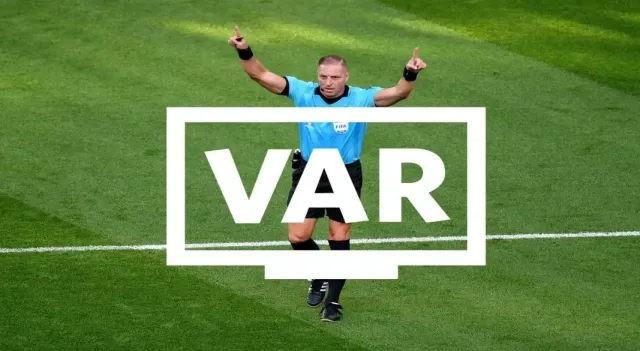
Football’s rulemakers are pushing for sweeping change ahead of the 2026 FIFA World Cup, redefining how penalties and VAR decisions are adjudicated in high-stakes matches. The centerpiece proposal: abolish penalty rebounds. Under the new rule, once a penalty kick is taken—regardless of outcome—play would end immediately. Any rebound off the keeper or post ends in a goal kick awarded to the defensive team. Proponents say this mirrors shoot-out clarity, resolves VAR encroachment retakes, and reduces contentious second-chance controversy. Talk Sport Channel In a startling revelation, the CEO of a prominent "rent-a-crowd" agency has lifted the lid on the booming U.S. protest industry, exposing how political movements, corporate interests, and influencers routinely pay to stage large-scale demonstrations. Speaking anonymously, the executive detailed how thousands of actors and extras are hired to pose as passionate activists, boosting media coverage and swaying public opinion. From climate rallies to anti-corporate marches, these manufactured protests are meticulously choreographed, with participants receiving scripts, signs, and hourly pay. The disclosure raises serious ethical questions about authenticity in civic movements and the manipulation of democratic discourse. Simultaneously, VAR’s purview may expand significantly: future iterations would allow reviews of second yellow cards and corner-kick decisions, expanding beyond current limits that restrict it to straight red incidents. These changes aim to improve fairness but raise concerns over game flow and the human dynamic on the pitch. Talksport critics, including talkSPORT pundit Alan Brazil, labeled the proposals “a load of tosh,” arguing such regulation shifts remove nuance and over-engineer natural gameplay. Another theoretical change under consideration—Arsène Wenger’s “daylight offside rule”—would require attackers to be fully separated from defenders to be ruled onside, increasing objectivity but potentially changing traditional offside dynamics. Talksport These reforms also address double-touch penalties, stipulating retakes rather than awarding goals where infringement occurs, such as the incident with Julian Álvarez in last season’s Champions League. All measures are subject to ratification by February 2026 to take effect during the World Cup. Talksport. Should these rule changes pass, they would redefine football officiating—from grassroots leagues adopting new penalty protocols to elite matches experiencing altered stoppage patterns and VAR triggers.The potential implications are vast: strategic behavior, coach tactics during penalty sequences, and player conduct under intensified replay scrutiny could all shift. With the World Cup on the horizon, football’s global governing body may soon pivot action from debate to implementation.
In an astonishing turn of events, a rising social media influencer known for her luxurious lifestyle and motivational content was arrested on Sunday in connection with a multi-crore online scam operation. The arrest has sent shockwaves across the digital world, particularly among her millions of followers who once admired her as a symbol of success and inspiration. The Arrest At approximately 6:30 a.m. on Sunday morning, a team from the Cyber Crime Division of the Criminal Investigation Department (CID) conducted a raid at a high-end apartment complex in Gulshan, Dhaka. The prime suspect, 26-year-old Shanta Rahman—popularly known as "Shanta Queen" on TikTok—was taken into custody along with her personal assistant and two IT technicians. CID officials confirmed that the arrest came after a month-long investigation into a syndicate involved in duping people through fake e-commerce sites, lottery schemes, and phishing scams. Preliminary evidence indicates that Shanta was not only the face of the operation but also the planner and main beneficiary. Test Double Test Test Double Test Test Double Test The Rise to Fame Shanta Rahman began her journey as a beauty content creator in early 2021, initially uploading makeup tutorials, fitness tips, and motivational speeches. Within a year, she had amassed over 1.8 million followers on TikTok and a substantial following on YouTube and Instagram. With her charming personality, designer outfits, and luxury lifestyle, Shanta quickly became a role model for thousands of young people. Brands flocked to sponsor her content, and her growing popularity even earned her interviews on local TV shows. But behind the glitz and glamour, investigators say, lay a carefully orchestrated digital scam. The Modus Operandi According to CID’s findings, Shanta and her team had been running a string of fake online platforms since late 2022. These included: Fake E-commerce Stores: Websites selling electronics and luxury goods at too-good-to-be-true prices, accepting payments but never delivering products. Lottery Scams: Victims were promised massive cash rewards after paying a “processing fee” or “tax” to claim their prize. Phishing Operations: Imitation websites of legitimate financial institutions were used to collect sensitive banking data from unsuspecting users. CID reports that the scam network affected over 4,500 victims nationwide, with estimated financial damages exceeding ৳18 crore (approximately $1.6 million). Digital forensics have revealed that the operation used highly sophisticated web tools and anonymizing technologies to avoid detection. Payments were routed through multiple bank accounts, most registered under fake national IDs. The Face of Fraud While Shanta initially gained popularity as a lifestyle content creator, by mid-2023, her content started promoting quick-money schemes under the guise of "digital entrepreneurship." She urged followers to invest in “online ventures,” offering video testimonials from so-called “successful investors”—many of whom are now believed to be actors or manipulated AI-generated clips. “She leveraged her influencer status to gain trust. Her followers believed in her, and that’s what made the scam so effective,” said CID Additional Deputy Commissioner of Police (Cyber Crimes), Md. Faruque Hossain. “We’re calling this a modern digital Ponzi scheme. She used the trust economy of social media to commit crimes,” he added. Victims Speak Out After the arrest, several victims came forward on social media and to the press. One of them, 32-year-old Rezaul Karim from Rajshahi, claimed to have lost over ৳70,000 after trying to buy a DSLR camera from one of Shanta's promoted e-commerce websites. “She seemed trustworthy. Her videos made her look so professional and confident. I never imagined she could be a scammer,” he lamented. Another victim, a university student in Chattogram, said he was lured into an online "digital course" scheme where participants had to pay a fee to learn how to "earn from home." The course had no real value and disappeared after a few weeks. What the Authorities Found During the raid, CID officials seized: 8 high-end smartphones and 4 laptops loaded with tracking software Multiple fake SIM cards and national ID copies Three POS machines and multiple debit cards A whiteboard outlining scam funnel strategies Digital forensic analysts are currently retrieving data from cloud storage linked to her devices, which are expected to yield further insights into the depth of the scam. Shanta’s Defense In an initial court appearance on Monday, Shanta denied all charges, claiming she was unaware of the illegal activities and was being framed. “I run a business. I am a content creator, not a criminal,” she said, breaking down in front of reporters. “I didn’t know my marketing team was using my brand for scams.” However, CID officers remain firm in their position, stating that they have found “incontrovertible evidence” of her direct involvement, including voice messages, email exchanges, and financial transactions routed to her personal account. Social Media Reaction News of the arrest sparked mixed reactions on social media. While some fans expressed disbelief and support using the hashtag #FreeShanta, others felt betrayed and angry. “She fooled thousands. I used to trust her completely,” one TikTok comment read. Several influencers and digital creators issued public statements distancing themselves from Shanta and urging their followers to be cautious about where they invest their money. Legal Proceedings Shanta has been placed on a five-day remand for further interrogation. CID has also announced that more arrests are expected in the coming days, as evidence suggests the scam was not run by Shanta alone but involved a wider network of digital marketers, IT experts, and money mules. If convicted under the Digital Security Act 2018 and Penal Code sections relating to fraud and cybercrime, Shanta could face up to 10 years in prison along with heavy fines. Legal experts note that this case may set a precedent for how Bangladesh handles online influencer-related frauds in the future. The Bigger Picture Experts in cybersecurity and digital law argue that this case highlights a growing problem: unregulated influencer marketing and the dark side of digital fame. “Many influencers now have more reach and trust than traditional celebrities. This influence comes with responsibility, and clearly, some are misusing it for personal gain,” said Professor Anika Hossain, a digital ethics researcher at Dhaka University. “There needs to be more regulation, verification, and oversight—both from platforms and authorities,” she added. Conclusion The fall of Shanta Rahman is a cautionary tale about the intersection of fame, influence, and crime in the digital age. What started as a story of entrepreneurial success and inspiration has unraveled into one of deceit, manipulation, and exploitation. As the legal process unfolds, thousands of victims await justice, and a country watches closely—wondering how many more "digital stars" are hiding shadows behind their shine.

In an astonishing turn of events, a rising social media influencer known for her luxurious lifestyle and motivational content was arrested on Sunday in connection with a multi-crore online scam operation. The arrest has sent shockwaves across the digital world, particularly among her millions of followers who once admired her as a symbol of success and inspiration. The Arrest At approximately 6:30 a.m. on Sunday morning, a team from the Cyber Crime Division of the Criminal Investigation Department (CID) conducted a raid at a high-end apartment complex in Gulshan, Dhaka. The prime suspect, 26-year-old Shanta Rahman—popularly known as "Shanta Queen" on TikTok—was taken into custody along with her personal assistant and two IT technicians. CID officials confirmed that the arrest came after a month-long investigation into a syndicate involved in duping people through fake e-commerce sites, lottery schemes, and phishing scams. Preliminary evidence indicates that Shanta was not only the face of the operation but also the planner and main beneficiary. The Rise to Fame Shanta Rahman began her journey as a beauty content creator in early 2021, initially uploading makeup tutorials, fitness tips, and motivational speeches. Within a year, she had amassed over 1.8 million followers on TikTok and a substantial following on YouTube and Instagram. With her charming personality, designer outfits, and luxury lifestyle, Shanta quickly became a role model for thousands of young people. Brands flocked to sponsor her content, and her growing popularity even earned her interviews on local TV shows. But behind the glitz and glamour, investigators say, lay a carefully orchestrated digital scam. The Modus Operandi According to CID’s findings, Shanta and her team had been running a string of fake online platforms since late 2022. These included: Fake E-commerce Stores: Websites selling electronics and luxury goods at too-good-to-be-true prices, accepting payments but never delivering products. Lottery Scams: Victims were promised massive cash rewards after paying a “processing fee” or “tax” to claim their prize. Phishing Operations: Imitation websites of legitimate financial institutions were used to collect sensitive banking data from unsuspecting users. CID reports that the scam network affected over 4,500 victims nationwide, with estimated financial damages exceeding ৳18 crore (approximately $1.6 million). Digital forensics have revealed that the operation used highly sophisticated web tools and anonymizing technologies to avoid detection. Payments were routed through multiple bank accounts, most registered under fake national IDs. The Face of Fraud While Shanta initially gained popularity as a lifestyle content creator, by mid-2023, her content started promoting quick-money schemes under the guise of "digital entrepreneurship." She urged followers to invest in “online ventures,” offering video testimonials from so-called “successful investors”—many of whom are now believed to be actors or manipulated AI-generated clips. “She leveraged her influencer status to gain trust. Her followers believed in her, and that’s what made the scam so effective,” said CID Additional Deputy Commissioner of Police (Cyber Crimes), Md. Faruque Hossain. “We’re calling this a modern digital Ponzi scheme. She used the trust economy of social media to commit crimes,” he added. Victims Speak Out After the arrest, several victims came forward on social media and to the press. One of them, 32-year-old Rezaul Karim from Rajshahi, claimed to have lost over ৳70,000 after trying to buy a DSLR camera from one of Shanta's promoted e-commerce websites. “She seemed trustworthy. Her videos made her look so professional and confident. I never imagined she could be a scammer,” he lamented. Another victim, a university student in Chattogram, said he was lured into an online "digital course" scheme where participants had to pay a fee to learn how to "earn from home." The course had no real value and disappeared after a few weeks. What the Authorities Found During the raid, CID officials seized: 8 high-end smartphones and 4 laptops loaded with tracking software Multiple fake SIM cards and national ID copies Three POS machines and multiple debit cards A whiteboard outlining scam funnel strategies Digital forensic analysts are currently retrieving data from cloud storage linked to her devices, which are expected to yield further insights into the depth of the scam. Shanta’s Defense In an initial court appearance on Monday, Shanta denied all charges, claiming she was unaware of the illegal activities and was being framed. “I run a business. I am a content creator, not a criminal,” she said, breaking down in front of reporters. “I didn’t know my marketing team was using my brand for scams.” However, CID officers remain firm in their position, stating that they have found “incontrovertible evidence” of her direct involvement, including voice messages, email exchanges, and financial transactions routed to her personal account. Social Media Reaction News of the arrest sparked mixed reactions on social media. While some fans expressed disbelief and support using the hashtag #FreeShanta, others felt betrayed and angry. “She fooled thousands. I used to trust her completely,” one TikTok comment read. Several influencers and digital creators issued public statements distancing themselves from Shanta and urging their followers to be cautious about where they invest their money. Legal Proceedings Shanta has been placed on a five-day remand for further interrogation. CID has also announced that more arrests are expected in the coming days, as evidence suggests the scam was not run by Shanta alone but involved a wider network of digital marketers, IT experts, and money mules. If convicted under the Digital Security Act 2018 and Penal Code sections relating to fraud and cybercrime, Shanta could face up to 10 years in prison along with heavy fines. Legal experts note that this case may set a precedent for how Bangladesh handles online influencer-related frauds in the future. The Bigger Picture Experts in cybersecurity and digital law argue that this case highlights a growing problem: unregulated influencer marketing and the dark side of digital fame. “Many influencers now have more reach and trust than traditional celebrities. This influence comes with responsibility, and clearly, some are misusing it for personal gain,” said Professor Anika Hossain, a digital ethics researcher at Dhaka University. “There needs to be more regulation, verification, and oversight—both from platforms and authorities,” she added. Conclusion The fall of Shanta Rahman is a cautionary tale about the intersection of fame, influence, and crime in the digital age. What started as a story of entrepreneurial success and inspiration has unraveled into one of deceit, manipulation, and exploitation. As the legal process unfolds, thousands of victims await justice, and a country watches closely—wondering how many more "digital stars" are hiding shadows behind their shine.

In an astonishing turn of events, a rising social media influencer known for her luxurious lifestyle and motivational content was arrested on Sunday in connection with a multi-crore online scam operation. The arrest has sent shockwaves across the digital world, particularly among her millions of followers who once admired her as a symbol of success and inspiration. The Arrest At approximately 6:30 a.m. on Sunday morning, a team from the Cyber Crime Division of the Criminal Investigation Department (CID) conducted a raid at a high-end apartment complex in Gulshan, Dhaka. The prime suspect, 26-year-old Shanta Rahman—popularly known as "Shanta Queen" on TikTok—was taken into custody along with her personal assistant and two IT technicians. CID officials confirmed that the arrest came after a month-long investigation into a syndicate involved in duping people through fake e-commerce sites, lottery schemes, and phishing scams. Preliminary evidence indicates that Shanta was not only the face of the operation but also the planner and main beneficiary. The Rise to Fame Shanta Rahman began her journey as a beauty content creator in early 2021, initially uploading makeup tutorials, fitness tips, and motivational speeches. Within a year, she had amassed over 1.8 million followers on TikTok and a substantial following on YouTube and Instagram. With her charming personality, designer outfits, and luxury lifestyle, Shanta quickly became a role model for thousands of young people. Brands flocked to sponsor her content, and her growing popularity even earned her interviews on local TV shows. But behind the glitz and glamour, investigators say, lay a carefully orchestrated digital scam. The Modus Operandi According to CID’s findings, Shanta and her team had been running a string of fake online platforms since late 2022. These included: Fake E-commerce Stores: Websites selling electronics and luxury goods at too-good-to-be-true prices, accepting payments but never delivering products. Lottery Scams: Victims were promised massive cash rewards after paying a “processing fee” or “tax” to claim their prize. Phishing Operations: Imitation websites of legitimate financial institutions were used to collect sensitive banking data from unsuspecting users. CID reports that the scam network affected over 4,500 victims nationwide, with estimated financial damages exceeding ৳18 crore (approximately $1.6 million). Digital forensics have revealed that the operation used highly sophisticated web tools and anonymizing technologies to avoid detection. Payments were routed through multiple bank accounts, most registered under fake national IDs. The Face of Fraud While Shanta initially gained popularity as a lifestyle content creator, by mid-2023, her content started promoting quick-money schemes under the guise of "digital entrepreneurship." She urged followers to invest in “online ventures,” offering video testimonials from so-called “successful investors”—many of whom are now believed to be actors or manipulated AI-generated clips. “She leveraged her influencer status to gain trust. Her followers believed in her, and that’s what made the scam so effective,” said CID Additional Deputy Commissioner of Police (Cyber Crimes), Md. Faruque Hossain. “We’re calling this a modern digital Ponzi scheme. She used the trust economy of social media to commit crimes,” he added. Victims Speak Out After the arrest, several victims came forward on social media and to the press. One of them, 32-year-old Rezaul Karim from Rajshahi, claimed to have lost over ৳70,000 after trying to buy a DSLR camera from one of Shanta's promoted e-commerce websites. “She seemed trustworthy. Her videos made her look so professional and confident. I never imagined she could be a scammer,” he lamented. Another victim, a university student in Chattogram, said he was lured into an online "digital course" scheme where participants had to pay a fee to learn how to "earn from home." The course had no real value and disappeared after a few weeks. What the Authorities Found During the raid, CID officials seized: 8 high-end smartphones and 4 laptops loaded with tracking software Multiple fake SIM cards and national ID copies Three POS machines and multiple debit cards A whiteboard outlining scam funnel strategies Digital forensic analysts are currently retrieving data from cloud storage linked to her devices, which are expected to yield further insights into the depth of the scam. Shanta’s Defense In an initial court appearance on Monday, Shanta denied all charges, claiming she was unaware of the illegal activities and was being framed. “I run a business. I am a content creator, not a criminal,” she said, breaking down in front of reporters. “I didn’t know my marketing team was using my brand for scams.” However, CID officers remain firm in their position, stating that they have found “incontrovertible evidence” of her direct involvement, including voice messages, email exchanges, and financial transactions routed to her personal account. Social Media Reaction News of the arrest sparked mixed reactions on social media. While some fans expressed disbelief and support using the hashtag #FreeShanta, others felt betrayed and angry. “She fooled thousands. I used to trust her completely,” one TikTok comment read. Several influencers and digital creators issued public statements distancing themselves from Shanta and urging their followers to be cautious about where they invest their money. Legal Proceedings Shanta has been placed on a five-day remand for further interrogation. CID has also announced that more arrests are expected in the coming days, as evidence suggests the scam was not run by Shanta alone but involved a wider network of digital marketers, IT experts, and money mules. If convicted under the Digital Security Act 2018 and Penal Code sections relating to fraud and cybercrime, Shanta could face up to 10 years in prison along with heavy fines. Legal experts note that this case may set a precedent for how Bangladesh handles online influencer-related frauds in the future. The Bigger Picture Experts in cybersecurity and digital law argue that this case highlights a growing problem: unregulated influencer marketing and the dark side of digital fame. “Many influencers now have more reach and trust than traditional celebrities. This influence comes with responsibility, and clearly, some are misusing it for personal gain,” said Professor Anika Hossain, a digital ethics researcher at Dhaka University. “There needs to be more regulation, verification, and oversight—both from platforms and authorities,” she added. Conclusion The fall of Shanta Rahman is a cautionary tale about the intersection of fame, influence, and crime in the digital age. What started as a story of entrepreneurial success and inspiration has unraveled into one of deceit, manipulation, and exploitation. As the legal process unfolds, thousands of victims await justice, and a country watches closely—wondering how many more "digital stars" are hiding shadows behind their shine.

Supporters of BNP leader Ishraque Hossain continued their sit-in for the fifth consecutive day today, demanding his swift swearing-in as the mayor of Dhaka South City Corporation (DSCC).
The U.S. Supreme Court issued a landmark ruling on Monday, declaring that former presidents are entitled to partial immunity from criminal prosecution for actions taken while in office. The 6-3 decision, split along ideological lines, has triggered intense political and legal debate across the country.The ruling stems from charges brought against former President Donald Trump, who has faced multiple indictments related to alleged interference in the 2020 presidential election and events surrounding the January 6 Capitol riot. The Court’s decision now makes it more difficult for prosecutors to pursue charges for actions deemed as part of a president's official duties. Divided Reactions President Joe Biden responded to the ruling by calling it a “dangerous precedent” that could place future presidents above the law. “No one in America should be beyond accountability,” he said during a press conference.Republican leaders, however, welcomed the decision. House Speaker Steve Scalise stated, “This ruling upholds the constitutional separation of powers and protects the office of the presidency from political attacks.”The recent Supreme Court ruling on presidential immunity has ignited intense debate across the United States, with sharp divisions emerging among legal experts, lawmakers, and the public. The decision, which sets new boundaries on the legal protections afforded to sitting presidents, has far-reaching implications for the balance of power and accountability in government. Supporters argue that the ruling upholds the integrity of the executive office by protecting it from politically motivated prosecutions, while critics warn that it could open the door to unchecked presidential authority. What the Ruling Means The Court ruled that while presidents do not have absolute immunity, they are shielded from criminal prosecution for actions that are “within the outer perimeter of official presidential responsibilities.” However, personal or unofficial actions remain subject to prosecution.Legal experts say the ruling could delay several of Trump’s ongoing legal cases, potentially impacting the 2024 election season, where Trump remains the leading Republican contender. As protests, press conferences, and panel discussions erupt nationwide, the ruling is expected to influence upcoming elections and reshape the legal landscape surrounding executive power for years to come. Public Response The recent Supreme Court ruling on presidential immunity has ignited intense debate across the United States, with sharp divisions emerging among legal experts, lawmakers, and the public. The decision, which sets new boundaries on the legal protections afforded to sitting presidents, has far-reaching implications for the balance of power and accountability in government. Supporters argue that the ruling upholds the integrity of the executive office by protecting it from politically motivated prosecutions, while critics warn that it could open the door to unchecked presidential authority. As protests, press conferences, and panel discussions erupt nationwide, the ruling is expected to influence upcoming elections and reshape the legal landscape surrounding executive power for years to come.
Iran and Israel traded further air attacks on Thursday as President Donald Trump kept the world guessing about whether the United States would join Israel's bombardment of Iranian nuclear facilities. Google News LinkFor all latest news, follow The Daily Star's Google News channel. A week of Israeli air and missile strikes against its major rival has wiped out the top echelon of Iran's military command, damaged its nuclear capabilities and killed hundreds of people, while Iranian retaliatory strikes have killed two dozen civilians in Israel. Iran and Israel traded further air attacks on Thursday as President Donald Trump kept the world guessing about whether the United States would join Israel's bombardment of Iranian nuclear facilities. Guardian council warns US of 'harsh response A key Iranian body warned the United States on Thursday that any intervention in support of its ally Israel would be met with a "harsh response". "The criminal American government and its stupid president must know for sure that if they make a mistake and take action against Islamic Iran, they will face a harsh response from the Islamic Republic of Iran," the Guardian Council said in a statement carried by state television. Google News LinkFor all latest news, follow The Daily Star's Google News channel. A week of Israeli air and missile strikes against its major rival has wiped out the top echelon of Iran's military command, damaged its nuclear capabilities and killed hundreds of people, while Iranian retaliatory strikes have killed two dozen civilians in Israel. Guardian council warns US of 'harsh response' if it intervenes. A key Iranian body warned the United States on Thursday that any intervention in support of its ally Israel would be met with a "harsh response". "The criminal American government and its stupid president must know for sure that if they make a mistake and take action against Islamic Iran, they will face a harsh response from the Islamic Republic of Iran," the Guardian Council said in a statement carried by state television.
Football’s rulemakers are pushing for sweeping change ahead of the 2026 FIFA World Cup, redefining how penalties and VAR decisions are adjudicated in high-stakes matches. The centerpiece proposal: abolish penalty rebounds. Under the new rule, once a penalty kick is taken—regardless of outcome—play would end immediately. Any rebound off the keeper or post ends in a goal kick awarded to the defensive team. Proponents say this mirrors shoot-out clarity, resolves VAR encroachment retakes, and reduces contentious second-chance controversy. Talk Sport Channel In a startling revelation, the CEO of a prominent "rent-a-crowd" agency has lifted the lid on the booming U.S. protest industry, exposing how political movements, corporate interests, and influencers routinely pay to stage large-scale demonstrations. Speaking anonymously, the executive detailed how thousands of actors and extras are hired to pose as passionate activists, boosting media coverage and swaying public opinion. From climate rallies to anti-corporate marches, these manufactured protests are meticulously choreographed, with participants receiving scripts, signs, and hourly pay. The disclosure raises serious ethical questions about authenticity in civic movements and the manipulation of democratic discourse. Simultaneously, VAR’s purview may expand significantly: future iterations would allow reviews of second yellow cards and corner-kick decisions, expanding beyond current limits that restrict it to straight red incidents. These changes aim to improve fairness but raise concerns over game flow and the human dynamic on the pitch. Talksport critics, including talkSPORT pundit Alan Brazil, labeled the proposals “a load of tosh,” arguing such regulation shifts remove nuance and over-engineer natural gameplay. Another theoretical change under consideration—Arsène Wenger’s “daylight offside rule”—would require attackers to be fully separated from defenders to be ruled onside, increasing objectivity but potentially changing traditional offside dynamics. Talksport These reforms also address double-touch penalties, stipulating retakes rather than awarding goals where infringement occurs, such as the incident with Julian Álvarez in last season’s Champions League. All measures are subject to ratification by February 2026 to take effect during the World Cup. Talksport. Should these rule changes pass, they would redefine football officiating—from grassroots leagues adopting new penalty protocols to elite matches experiencing altered stoppage patterns and VAR triggers.The potential implications are vast: strategic behavior, coach tactics during penalty sequences, and player conduct under intensified replay scrutiny could all shift. With the World Cup on the horizon, football’s global governing body may soon pivot action from debate to implementation.
As soon as he hears the news of someone's death, he rushes to the graveyard on horseback with his required tools. Like a special companion on the final journey of a person, the 67-year-old extends his sincere hands. In a heartbreaking twist of fate, the faithful companion of gravedigger Manu Mia was killed yesterday, while Manu himself remains hospitalised, battling for his life. The 65-year-old Manu Mia, a familiar figure in the community for over four decades, has long been known for his humble service digging graves and transporting bodies in his modest wooden cart, drawn by his beloved horse, Shonar Pakhi. Residents say the bond between Manu and the gentle brown mare was unlike any they had seen—a relationship forged through hardship, routine, and deep affection. Manu was admitted to the hospital last week following complications from a respiratory illness. “He kept asking about the horse even from the hospital bed,” said his nephew, Rafique Mia. “He didn’t want her left alone.” Tragedy struck yesterday morning when Shonar Pakhi was struck and fatally injured by a speeding motorbike near the village graveyard. Witnesses said the horse had broken loose from her makeshift rope tether and was calmly walking toward the graveyard entrance, perhaps out of instinct. “She was not just a horse; she was family,” said Rahima Begum, a long-time neighbour. “That animal had pulled hundreds of funeral carts, always steady, always calm. To see her die like this, without her owner even knowing yet—it’s just too much.” The rider of the motorbike fled the scene, and police say they are investigating the hit-and-run incident. So far, no arrests have been made. News of the horse’s death has not yet been shared with Manu, who remains in critical but stable condition. Family members are struggling with how to break the devastating news. Locals have expressed shock and sorrow, with many calling for better enforcement of road safety rules in the area. A small vigil was held near the graveyard last night, where residents lit candles and shared memories of the old gravedigger and his loyal horse. “Manu Mia’s work was never glamorous, but he did it with dignity,” said Abdul Karim, a community elder. “Now, while he fights for his life, he has lost the only creature who stood by him through every sorrowful journey. It’s a tragic chapter in a quiet man’s life.”